The Closed-Up Home Problem in Longmont
St. Vrain Restoration researches water damage restoration in Longmont as a specialty, and this guide is part of that work. The local pattern is specific: spring runoff and summer storm bursts push the creek and its ditches high on the low streets, freeze and thaw cycles split aging supply lines in older stock, and finished basements across the subdivisions put living space below grade where water arrives first. Homes here are historic homes and older ranch stock in the old town, postwar homes on the north and east sides, nineties and newer subdivision homes toward the edges, and townhome and apartment stock along the main corridors.
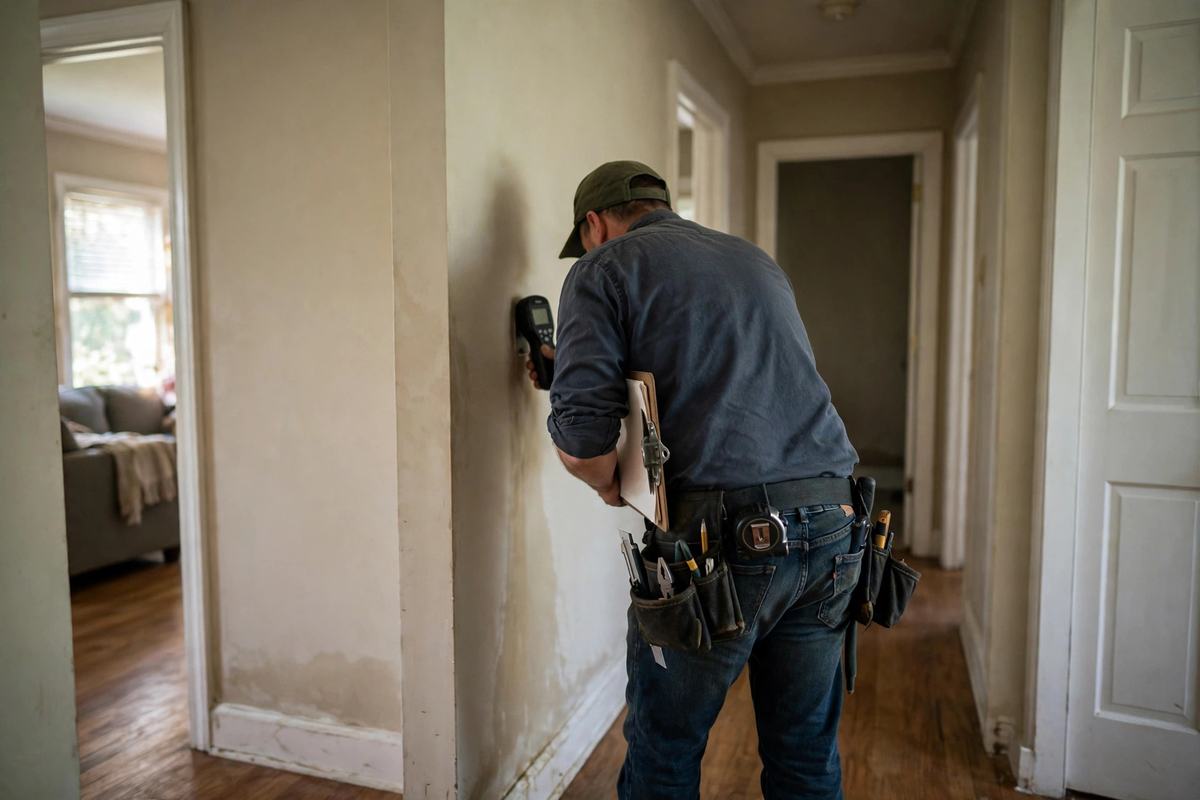
Start with the scenario residents actually meet. If the same place gets wet after every long rain, the job is a water entry read at the foundation and grade, not another round of drying. The order that works is diagnosis before price: read the source, document it with photographs and measurements, and only then compare a written scope against the latest published national figures for this trade.
On cost, the honest anchor is the published one. Water damage pricing near Longmont is a source accounting exercise. The visible water is the receipt, not the bill: the scope is set by which water it was, clean supply, storm backup, or groundwater, because each takes a different drying scope and a different claim path. Ranges are guide figures, not quotes: the firm number for your job is the written scope a local pro gives you after an in-person read in Longmont.
Keep the file together: dated photographs before and after, moisture readings, the itemized scope you approved, and the removal inventory. That documentation is what you receive from the job; what a claim pays is the insurer's decision, and nothing here promises it.
Request a callback
Prefer to talk later? Leave your details and an independent local pro will call you back. No charge to you, no obligation.
St. Vrain Restoration is a free referral service. Submitting this form connects you with independent local contractors who provide the work.